You make a big pot of curry on Sunday night, everyone’s full, and the pot sits on the stove till morning because it’s still warm and you’re tired. Most of us have done it. But food left out like that can make you sick.
Leftovers are great, and we’re big fans of them here. They cut down on waste and give you a quick lunch the next day. You just need to cool them, store them and reheat them properly, and nearly all of that comes down to time and temperature.
Time and temperature
The bacteria that cause food poisoning grow best between 5°C and 60°C, which food safety agencies call the temperature danger zone. Keep cold food at 5°C or below and hot food above 60°C. The longer food sits in between, the more time the bacteria have to multiply.
And that time adds up. NSW food safety advice explains that time spent between 5°C and 60°C is cumulative. So the half hour on the bench while you’re serving dinner counts, and so does the drive home from a barbecue with the leftovers sitting in a warm car.
Don’t trust the sniff test either. The Victorian Government’s food safety and storage advice says contaminated food can look, smell and taste normal. Something that seems perfectly fine can still have enough bacteria in it to make you unwell, so the timing rules matter more than how it smells.
A handy rule for deciding what to keep is the 2 hour and 4 hour rule. If cooked food has been out of the fridge for less than 2 hours, you can use it now or put it in the fridge for later. Between 2 and 4 hours, use it straight away and don’t store it. Over 4 hours, throw it out. Food Standards Australia New Zealand sets out the 2 hour and 4 hour rule as a guide for food businesses, but it works just as well at home. Keep an eye on the time at parties, picnics and long family lunches. If you’ve lost track of how long something’s been out, bin it.
Cooling it down and putting it away
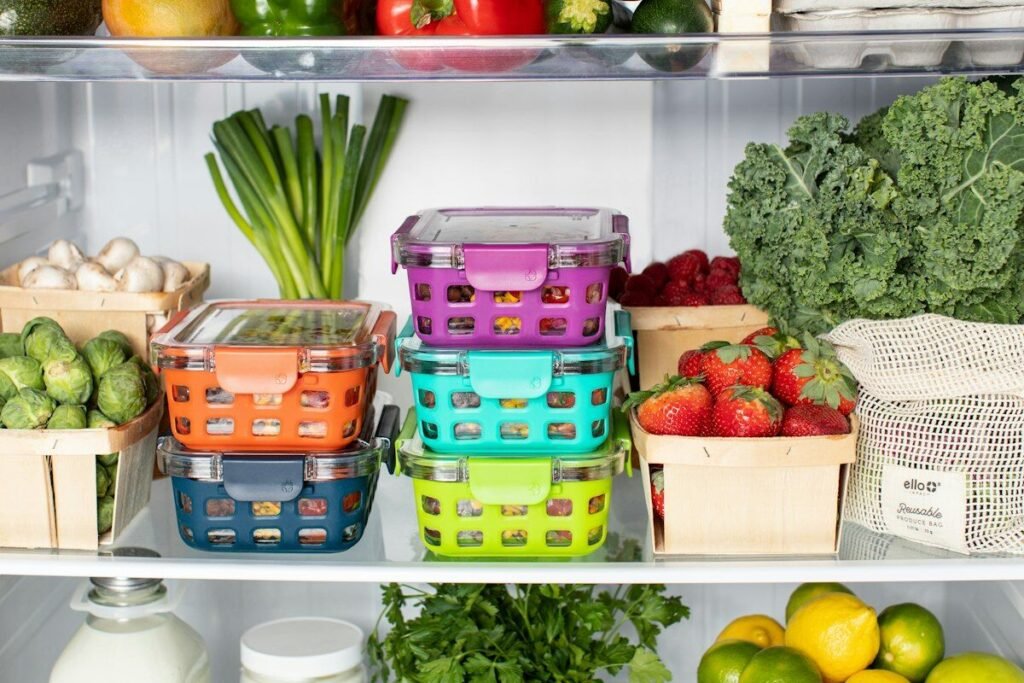
You want cooked food cold, fast. The NSW advice is to cool and cover leftovers and get them into the fridge or freezer within 2 hours. Splitting a big pot into smaller containers helps it cool quicker, and shallow dishes are better than deep ones for the same reason.
You don’t have to wait until it’s cold. Better Health Channel says once the steam has stopped rising, it can go in the fridge. So the big pot of soup left out overnight to cool down is the habit to drop.
Check your fridge is at 5°C or below. A cheap fridge thermometer is the easiest way to know. The freezer should be colder than minus 15°C. If either one’s too warm, turn the dial and check again the next day.
Where things go in the fridge makes a difference too. Put raw meat in sealed or covered containers at the bottom, and keep raw food below cooked food so juices can’t drip onto it. Cover leftovers with a tight lid, foil or plastic wrap.
Some foods are more likely to cause food poisoning if they’re not kept cold, so cool these ones quickly and eat them soon. Victorian health advice lists these as high risk:
- raw and cooked meat, including casseroles, curries and lasagne
- dairy products such as custard and cheesecake
- eggs and egg dishes such as mousse
- smallgoods such as ham and salami
- seafood, including seafood salad, patties and stock
- cooked rice and pasta
- prepared salads and fruit salads
- sandwiches, pizzas and other foods with any of the above in them
Rice and pasta need extra care. NSW advice is to eat them within 2 days of cooking, not the 3 days you get for most other leftovers, and only reheat them once. If you get takeaway rice, eat it fairly soon after you buy it.
Like most healthy habits, these stick best when they become routine. It’s a bit like the slow, steady changes involved in quitting smoking. Start with one or two, then add more once they’re automatic.
How long it keeps
NSW food safety advice says eat leftovers from the fridge within 3 days, and rice and pasta within 2. Write the date on the lid with a marker or a bit of masking tape. It sounds fussy, but it makes keeping track a lot easier when the fridge is full.
If you freeze leftovers, NSW says they’ll keep for up to 3 months. Thaw them in the fridge, not on the bench, and once they’re thawed, use them within 24 hours. Victorian advice adds that you should never refreeze raw food once it’s thawed, and if you thaw something in the microwave, cook it straight away. Work out your portions before you freeze so you’re not thawing more than you need. Small containers are good for single serves and work lunches.
Speaking of work, leftovers make a cheap lunch to take in. Put yours in the work fridge when you get there instead of leaving it in your bag all morning. On hot days or longer trips, use a cooler bag with an ice pack. And if you’re thinking about healthier habits at work generally, have a read about the health benefits of standing desks.
Reheating
Heat leftovers until they’re steaming hot all the way through. NSW guidance gives a target of at least 60°C. Microwaves heat unevenly, so stir halfway and check the middle before you eat it.
Only heat up what you’re going to eat. If you heat the whole container and put the rest back in the fridge, you’re adding more time in the danger zone, and with rice and pasta you’re not supposed to reheat more than once anyway. For other dishes, reheating each portion just once is the safer habit too. So take out a serve, heat that and leave the rest in the fridge.
Doing this well saves money as well. Food that’s cooled and stored properly lasts longer, so less goes in the bin, and cooking once to eat twice saves time on busy nights. If you’re trying to get on top of the household budget, our post on the health benefits of a financial plan looks at how money and wellbeing are linked.
Kids can pick this up early. When you’re packing their school lunch, show them why the cold pack goes in the bag. There’s plenty more to healthy routines for kids than the kitchen, and our post on dental fear in children looks at helping them stay calm at the dentist. The habits they learn young tend to stay with them.
This article is general information only and is not medical advice. Food safety guidance can vary between states and may change over time. If you think you have food poisoning or you’re worried about your health, speak with a doctor or qualified health professional. Your local council or state health department can also help with food safety questions.